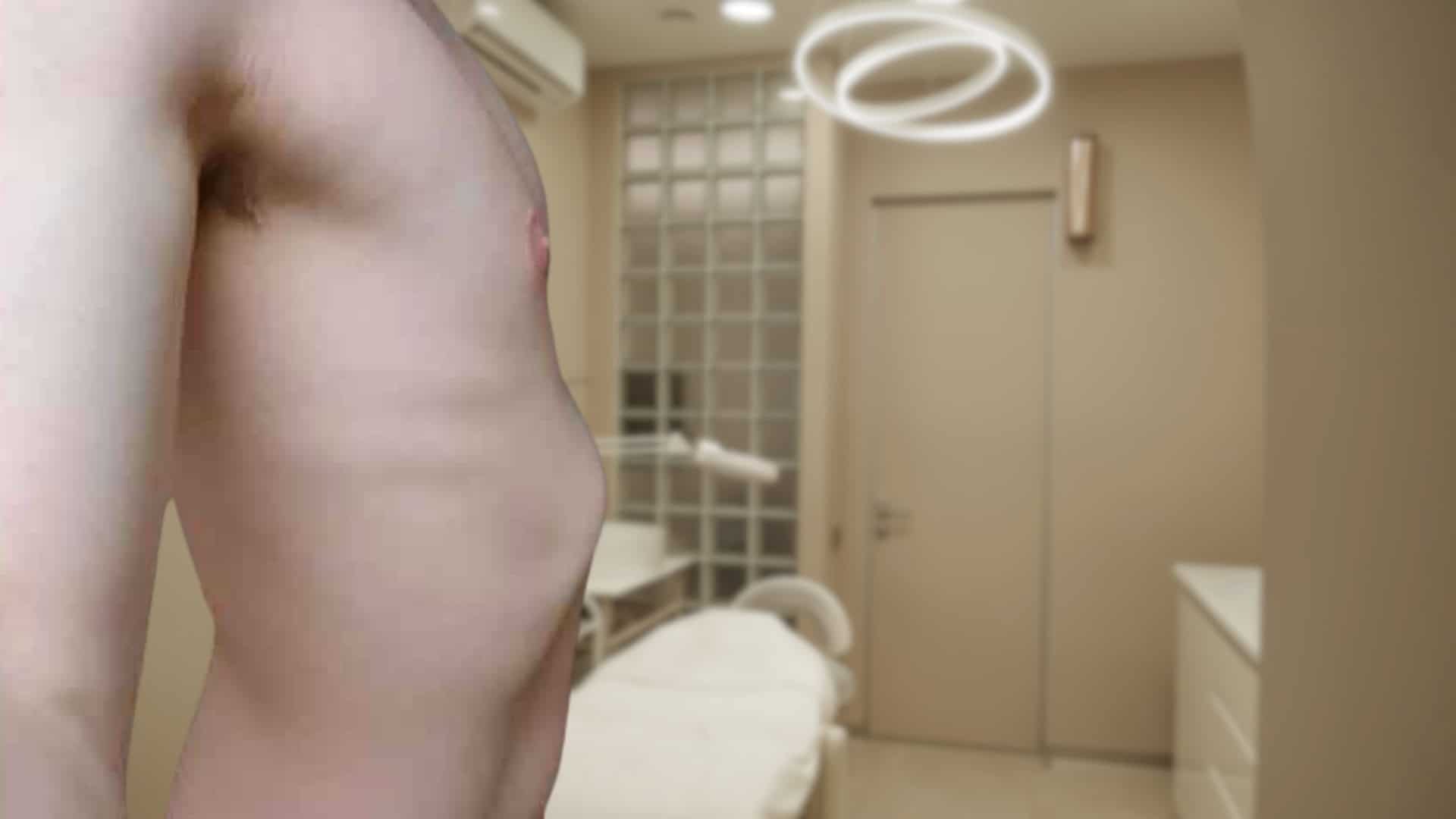
Structural or Postural? Understanding Why the Lower Rib Cage Can Protrude
A lower rib cage that appears to push forwards or outwards can raise understandable questions, especially when the change is visible in clothing, during exercise or in the mirror. This appearance is often called rib flare, but the term describes a position rather than a single diagnosis. It may relate to posture, breathing, muscle control or chest wall structure.
A protruding lower rib cage can have different causes, from postural patterns to structural chest wall changes. Understanding the underlying cause can help distinguish changes that may respond to rehabilitation from those requiring further investigation, allowing treatment to focus on the factors that matter most.
What Does It Mean When the Lower Rib Cage Protrudes?
A protruding lower rib cage is often described as rib flare. This term refers to the lower ribs sitting forward or outward rather than resting in a more neutral position over the pelvis. The appearance may affect both sides equally, or one side may look more prominent. Some people notice it only when standing upright, while others see it when lying down or taking a deep breath.
The shape of the lower chest varies naturally from person to person, so a visible rib margin does not always indicate a health problem. However, the position of the ribs can sometimes reflect postural habits, breathing patterns, muscle control or the underlying shape of the chest wall. The key question is whether the prominence is flexible and position-dependent, or fixed and related to chest structure.
Recognising Flared Ribs and Related Changes
Flared ribs may create a wider angle beneath the breastbone, where the lower ribs meet at the front of the chest. The ribs can appear lifted, especially when the lower back is arched and the abdomen moves forwards. This pattern may also make the middle of the body look less stable, even in people who are otherwise fit and active.
In some cases, flared ribs are associated with shallow breathing, tension in the neck and shoulders or discomfort around the lower back. These symptoms do not occur in everyone, and their presence does not confirm a particular diagnosis. They can, however, indicate that the rib cage, diaphragm and abdominal muscles are not working together as efficiently as they should.
Postural Rib Flare: When Alignment and Muscle Control Are Involved
Postural rib flare occurs when the position of the ribs is influenced mainly by alignment, muscle activity and movement habits. A common pattern involves the front of the rib cage lifting while the pelvis tips forwards. This can increase the curve in the lower back and leave the ribs appearing to sit away from the abdomen rather than over it.
Long periods of sitting, habitual chest lifting and exercise techniques that encourage excessive lower-back arching may reinforce this pattern. The body adapts to repeated positions, particularly when they are maintained for hours each day. Over time, the lower ribs may remain elevated even when the person believes they are standing in a relaxed position.
The Role of the Core and Breathing Pattern
The deep abdominal muscles help support the rib cage and pelvis during movement. If these muscles are weak, poorly coordinated or not engaged at the right time, the lower ribs may be less controlled. Tightness in the chest, hip flexors or lower-back muscles can add to the problem by pulling the body into an extended posture.
Breathing can also influence rib position. People who rely heavily on upper-chest breathing may keep the ribs in an expanded position and struggle to exhale fully. A more balanced breathing pattern allows the diaphragm, rib cage and abdominal wall to work together, which can improve control of the lower chest during everyday activities.
Structural Causes: When Chest Wall Shape Influences Rib Position
Structural rib prominence means that the shape of the chest wall itself contributes to the position of the lower ribs. This may be present from childhood, become clearer during adolescence or develop after an injury. Unlike a primarily postural pattern, a structural change is less likely to alter substantially when a person adjusts their stance or performs a full exhale.
One possible cause is a chest wall shape in which the breastbone sits further inward or outward than expected. When the centre of the chest is shaped differently, the lower ribs may project forwards or to the sides as part of the same pattern. The degree of prominence can vary, and some people have no pain or limitation despite a noticeable chest wall difference.
Spinal Shape, Growth and Previous Injury
A curved or rotated spine can affect the appearance of the ribs, especially if one side of the chest turns slightly forwards. In these cases, one lower rib margin may look more prominent than the other. Mild asymmetry can be common, but a clear difference that is increasing or accompanied by pain should be examined.
Growth spurts can make chest wall differences more visible because the ribs and cartilage develop rapidly during adolescence. Previous rib fractures may also leave a localised prominence if the bone heals in a changed position. A history of trauma, swelling, tenderness or a sudden change in shape makes clinical assessment more important.
How Clinicians Assess the Difference
A clinical assessment begins with a careful history. Important details include when the rib prominence was first noticed, whether it has changed over time and whether there is pain, breathlessness or reduced exercise tolerance. A clinician such as a thoracic surgeon like Dr Marco Scarci may also ask about previous chest injuries, spinal concerns and whether close relatives have similar chest wall features.
The physical examination usually considers the body from the front, side and back. The clinician may look at the relationship between the rib cage and pelvis, the curve of the spine and whether the lower ribs are symmetrical. This approach to an uneven rib cage helps distinguish a broad postural pattern from a more localised or fixed chest wall change.
Dynamic Assessment of Rib Movement
The ribs are often assessed while standing, lying down and breathing in different ways. Lying on the back with the knees bent can reduce the influence of pelvic position and make the lower rib margin easier to observe. The clinician may then compare how the ribs move during a deep breath in and a complete breath out.
A rib position that changes with posture, breathing or gentle abdominal control may have a significant functional component. A prominence that remains rigid and unchanged may suggest that chest wall structure plays a larger role. These observations guide the next steps, but they should be interpreted alongside the person’s symptoms and medical history.
Can You Correct a Protruding Lower Rib Cage?
When posture and movement control are contributing factors, targeted rehabilitation may improve the way the rib cage sits and moves. Treatment often focuses on breathing mechanics, deep abdominal control, upper-back mobility and reducing excessive lower-back arching. The aim is not to force the ribs into a position, but to help the body develop more stable and efficient movement patterns.
Progress usually depends on consistency and on addressing the reasons the flare developed. A programme that only targets the abdomen may be incomplete if tight hips, restricted upper-back movement or poor breathing habits remain unaddressed. Exercises should therefore be selected according to an individual assessment rather than based on appearance alone.
When Bracing or Surgery May Be Considered
Bracing may be considered in selected younger people whose chest walls are still flexible and who have an appropriate structural chest wall condition. A properly fitted device applies controlled pressure and should be monitored by a trained professional. Improvised rib belts or tightly wrapped supports are not substitutes for assessment and may interfere with comfortable breathing.
Surgery is not the usual treatment for postural rib flare. It may be considered when there is a significant structural chest wall deformity, persistent symptoms or a functional problem that has not responded to suitable non-surgical care. Any decision about surgery requires a detailed discussion of the likely benefits, limitations and recovery involved.
When Should You Seek Medical Advice?
A routine medical review is sensible if a protruding lower rib cage is new, progressively more noticeable or clearly more prominent on one side. Assessment is also appropriate when the change is linked with ongoing chest discomfort, back pain, reduced exercise capacity or concern about the overall shape of the chest. Children and teenagers may benefit from review if a chest wall change becomes more obvious during rapid growth.
It is particularly important to seek advice before beginning intensive exercise programmes or using a brace to alter rib shape. An assessment can identify whether the concern is mainly related to posture, breathing, spinal alignment, injury or chest wall structure. This reduces the risk of using treatment that does not match the underlying cause.
Symptoms That Require Urgent Assessment
Urgent medical attention is needed for sudden severe chest pain, breathlessness at rest or chest pain accompanied by fever. These symptoms can have causes that are unrelated to rib flare and require prompt evaluation. Recent trauma to the chest should also be assessed, especially if there is significant pain, bruising, swelling or difficulty taking a full breath. People who play contact sports should also be aware of wider injury risks, including the risk of neurodegenerative disease.
A section of the chest wall that moves inward during breathing in and outward during breathing out after an injury requires urgent care. This unusual movement can indicate an unstable chest wall injury. New symptoms should not be dismissed as a posture problem when they occur suddenly or affect breathing.
Common Questions About Lower Rib Cage Prominence
Many people ask whether poor posture can make the lower ribs stick out. The answer is yes, particularly where the lower back is habitually overarched and the ribs remain lifted during breathing. However, posture is not the only explanation, and a visible lower rib cage may also be part of a person’s natural anatomy or chest wall shape.
Another common question is whether exercise can correct rib flare. Exercise may improve a postural pattern when it strengthens core control, supports healthier breathing and improves mobility. Exercise alone is less likely to alter a fixed structural chest wall shape, which is why identifying the source of the prominence matters before setting treatment goals.
One-Sided Rib Prominence and Asymmetry
A slightly uneven rib cage can be normal, as the human body is not perfectly symmetrical. One side may appear more visible because of body position, muscle development or the angle from which it is viewed. Minor asymmetry without pain or progression often does not require treatment.
A one-sided prominence deserves closer attention if it is new, worsening, painful or associated with a visible spinal curve. It is also worth investigating if it follows an injury or affects movement and breathing. A focused examination can identify whether the asymmetry is linked to the ribs, spine, muscles or a previous injury.
Understanding the Next Step for a Protruding Lower Rib Cage
A lower rib cage that protrudes can result from postural habits, breathing mechanics, muscle imbalance, chest wall structure or a combination of these factors. Flexible changes that vary with movement often have a functional element, while fixed or progressive changes may need a more detailed assessment. The appearance of the ribs alone cannot establish the cause.
The most useful next step is to consider whether the prominence is changing, painful, one-sided or linked with breathlessness or reduced activity. Appropriate assessment can clarify whether conservative rehabilitation is suitable or whether a structural chest wall condition should be investigated. A clear diagnosis supports treatment that is practical, proportionate and matched to the individual.